Background
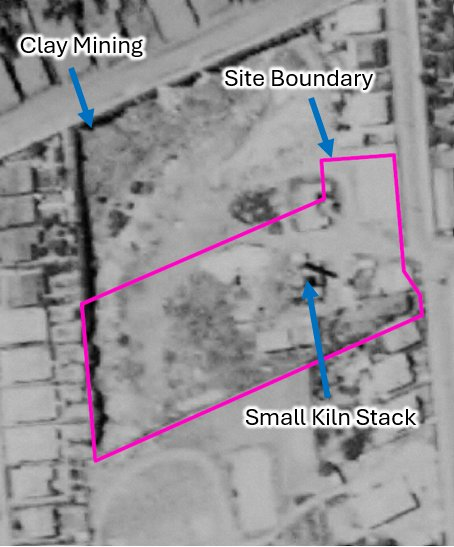
An aged care operator engaged Trilogy to assess a site proposed for redevelopment. Early review identified a suspected former pughole, a legacy feature common in parts of inner Adelaide and often associated with uncontrolled fill.
The investigation needed to clarify the extent and nature of the fill, assess vapour risk and provide information the design team could use before demolition and detailed design.
Characterise a potentially deep and laterally variable pughole backfill without disrupting an operating facility — and deliver data robust enough to drive masterplan decisions before demolition.
Scope of Works
The intrusive program was designed to characterise the legacy fill while limiting disruption to the operating facility. Works included:
- Targeted soil bores across the suspected pughole and surrounding site
- Field screening and laboratory analysis for key contamination risks
- Soil vapour assessment for current and future occupancy scenarios
- Integration of environmental and geotechnical findings for design input
Findings
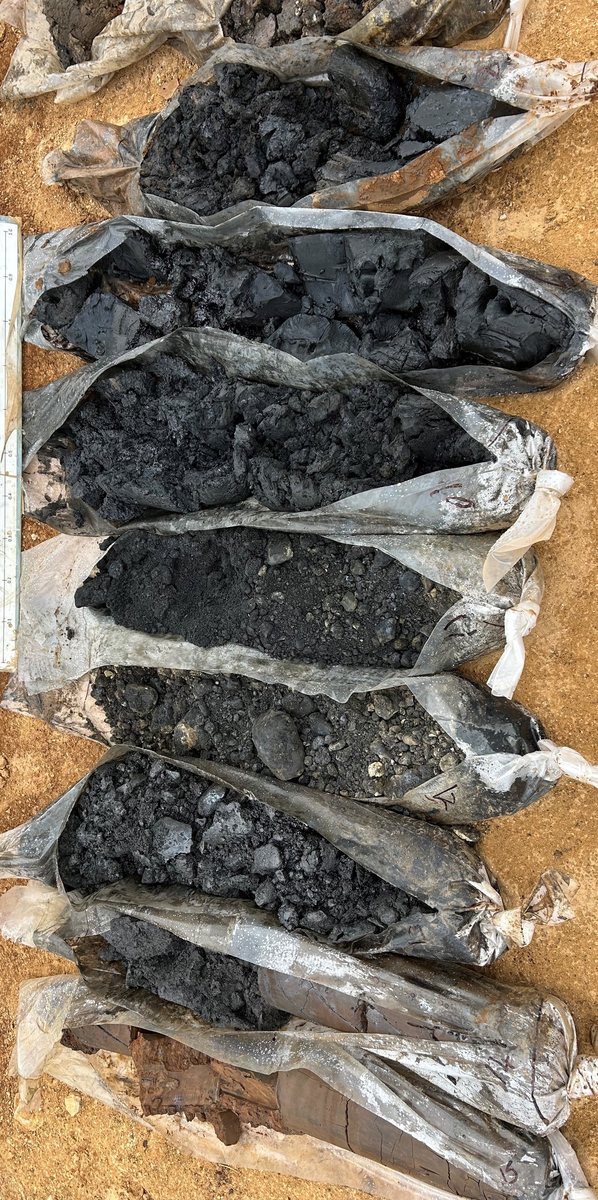
Fill extent. Deep uncontrolled fill was confirmed in the suspected pughole area, with shallower fill elsewhere across the site.
Contamination. Some fill materials contained elevated contaminants and asbestos, meaning future excavation and disposal would need to be planned carefully.
Vapour. Vapour results did not identify a material intrusion risk for the assessed site use, reducing one of the key planning uncertainties.
Outcomes
The combined environmental and geotechnical findings gave the design team a clearer picture of site constraints before demolition and detailed design.
- Pughole extent and fill conditions characterised for early planning
- Soil management and disposal risks identified before tendering
- Vapour risk reduced as a development constraint
- Information provided to support masterplanning and construction staging