Background
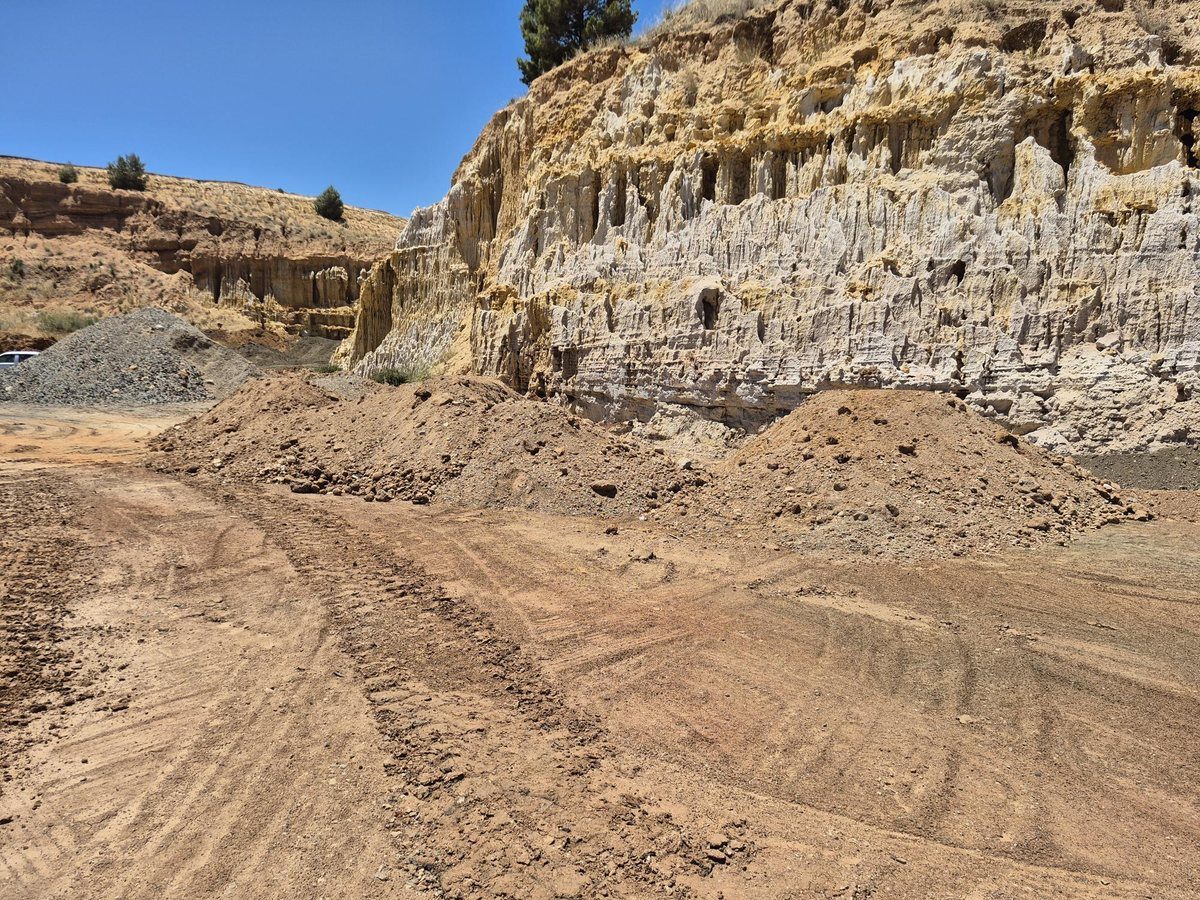
Trilogy was engaged to assess an excavated soil stockpile generated during a major urban infrastructure project. The material came from beneath an area where contaminated fill had previously been identified.
The key question was whether the natural soils had been affected by the overlying material, or whether they could be managed through a lower-risk disposal and reuse pathway.
Provide a clear waste classification outcome quickly enough to support an active construction and material management program.
Scope of Works
The scope was kept targeted and proportionate to the decision required. Works included:
- Inspection and description of the stockpile material
- Representative sampling across the stockpile
- Laboratory analysis focused on the contaminants of concern
- Quality control checks to support the classification decision
- Assessment against relevant SA EPA waste criteria
Findings
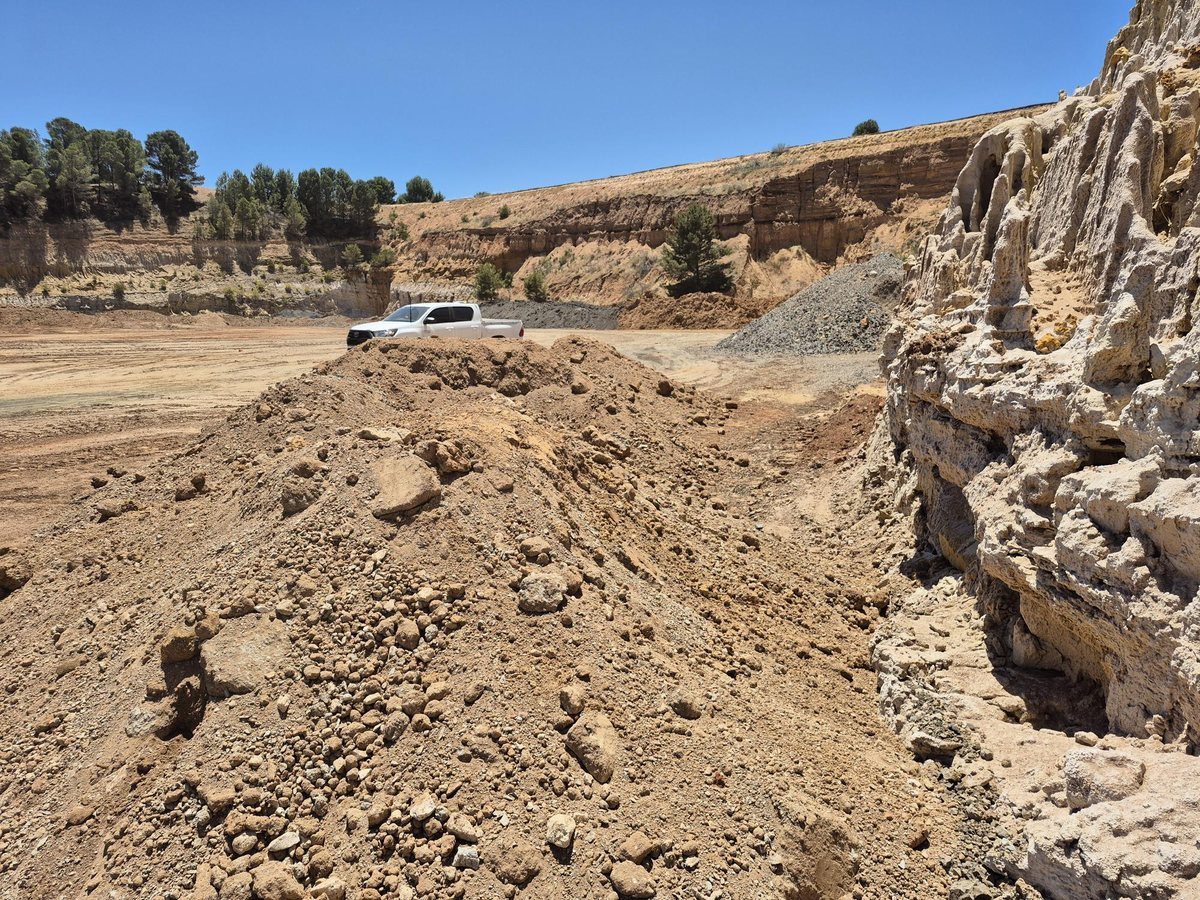
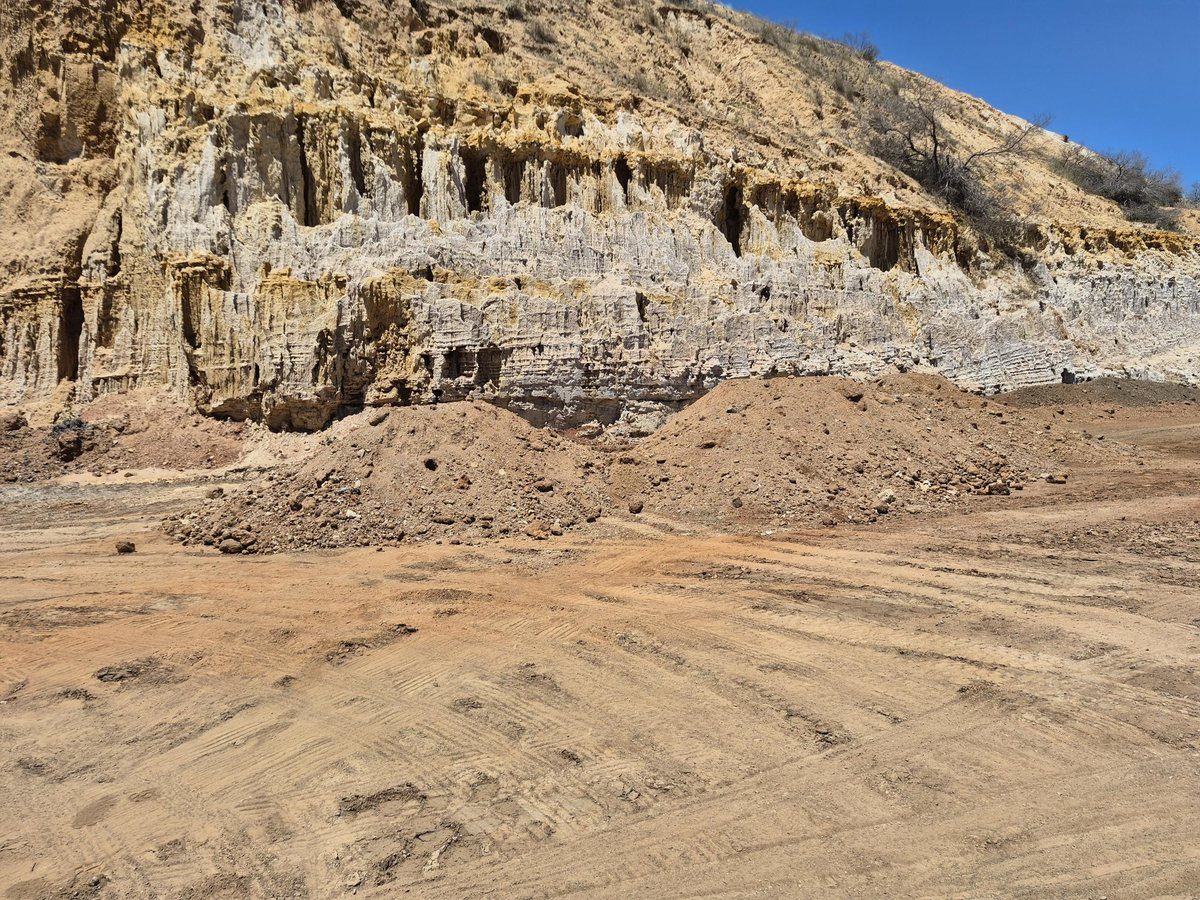
The stockpile was generally consistent with natural soils, with no obvious asbestos, staining or odour observed during inspection.
Laboratory results did not indicate material cross-contamination from the overlying hotspot. The testing supported classification of the material as Waste Fill and confirmed a suitable receiving pathway.
The stockpile was classified as Waste Fill — the lowest waste classification tier under SA EPA (2010) criteria. No chemical cross-contamination from the overlying hotspot was detected. The material was confirmed suitable for acceptance at the receiving site as waste-derived fill under the SA EPA WDF Standard.
Outcomes
The targeted assessment resolved the disposal uncertainty and allowed the project team to manage the stockpile through the preferred pathway.
- Waste Fill classification confirmed
- Reuse pathway supported at a licensed rehabilitation site
- Construction-stage uncertainty reduced without unnecessary investigation scope