Background
A property developer engaged Trilogy to clarify PFAS-related soil risk at a large former industrial site being considered for mixed-use redevelopment.
Previous investigations had identified PFAS impacts, but the likely volume of affected soil remained uncertain. Trilogy's role was to provide a stronger evidence base for due diligence, remediation planning and commercial decision-making.
Turn a broad PFAS liability estimate into a practical, spatially resolved dataset that could support transaction due diligence and future remediation planning.
Scope of Works
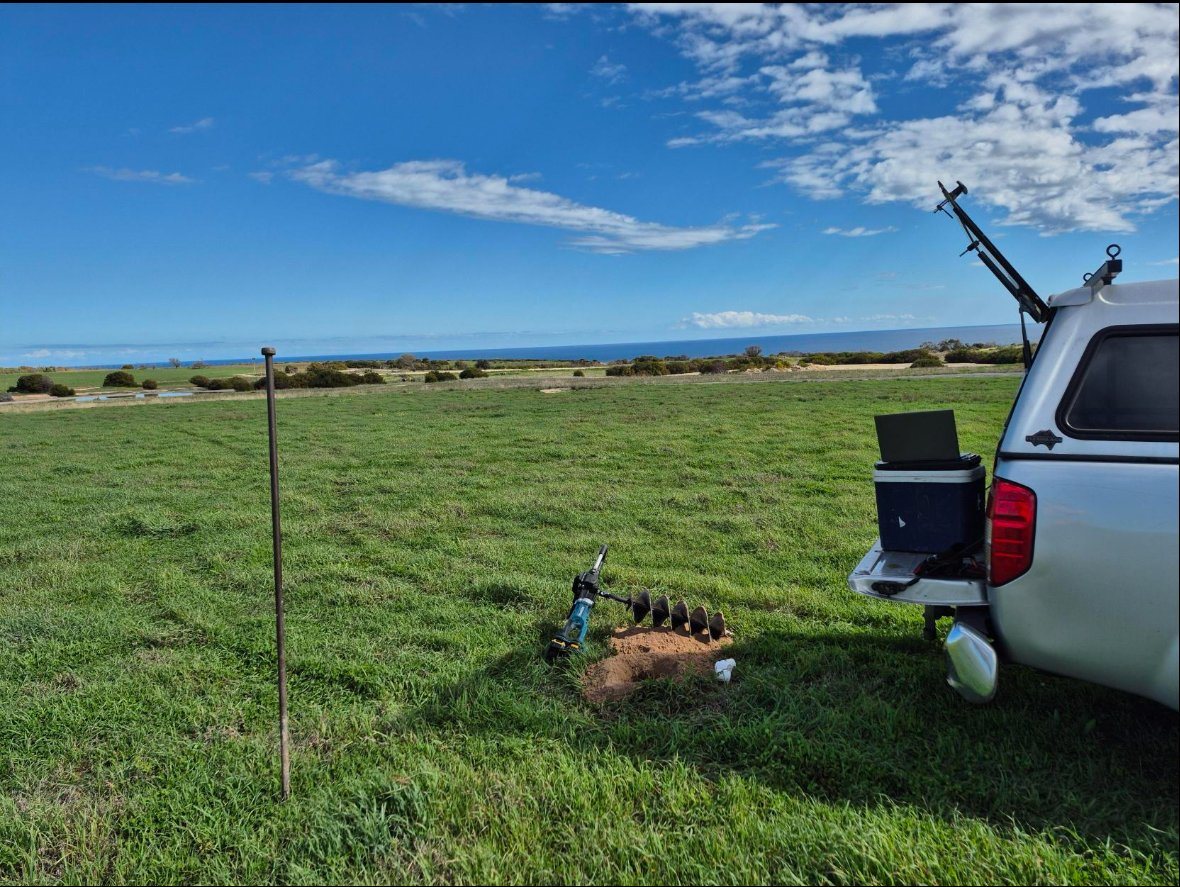
The investigation focused on filling key data gaps and building a usable model for decision-making. Works included:
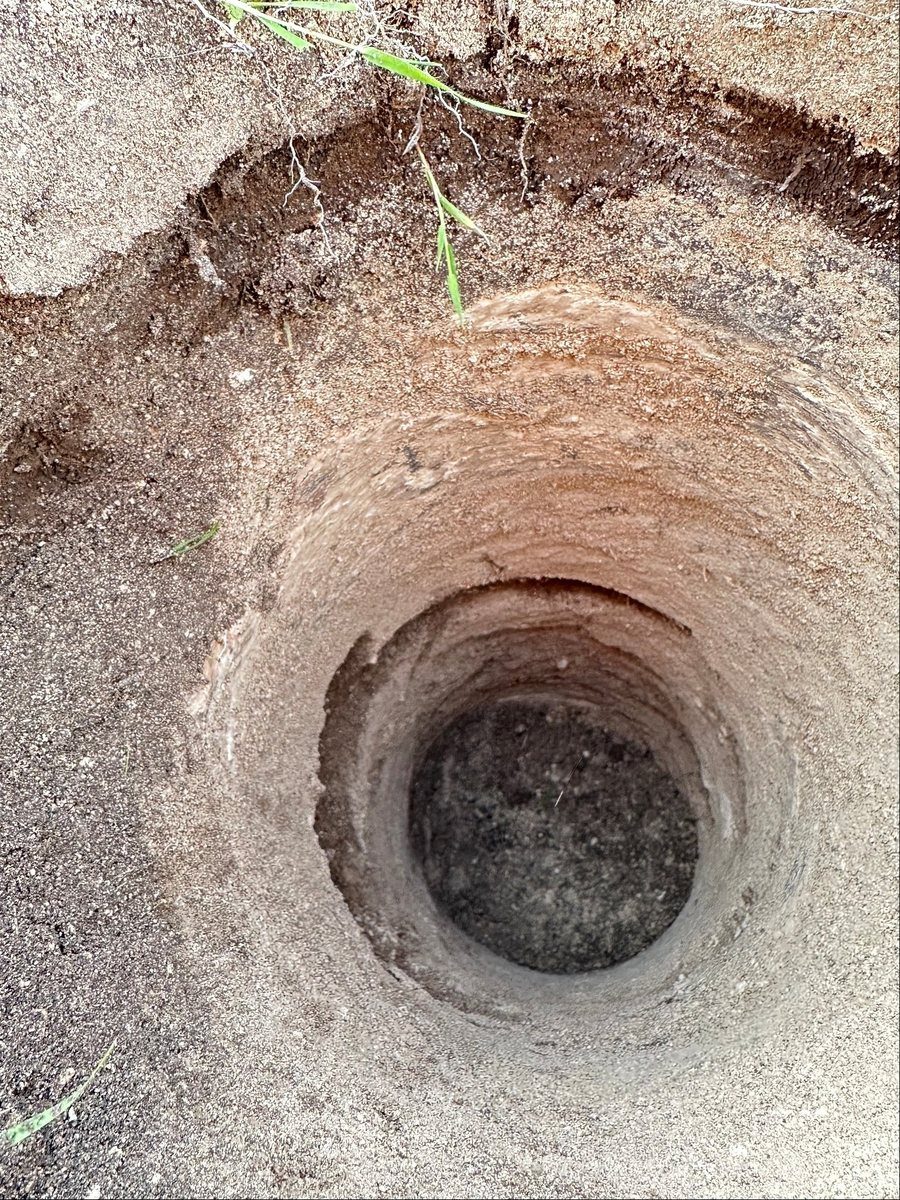
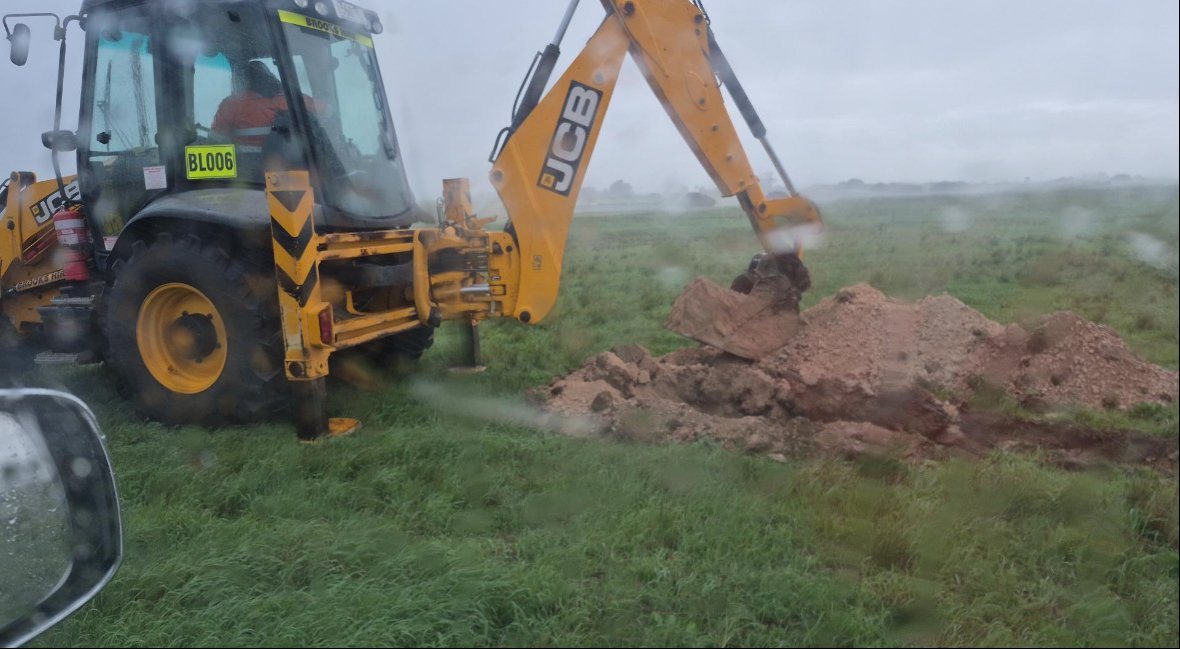
- Targeted soil sampling across the proposed redevelopment area
- PFAS-specific field controls and laboratory analysis
- Leachability testing to inform likely disposal pathways
- Systematic recording of waste and asbestos observations
- Integration of current and historical data into a 3D volume model
Findings
PFAS in soil. PFAS was present across much of the investigation area, with concentrations and extent varying by depth and location. The results showed that the applicable assessment criteria had a major influence on the estimated remediation volume.
Leachability. Leachability testing helped clarify likely disposal requirements for surplus soils generated during future works.
Waste and asbestos. Observations were broadly consistent with previously known waste areas, with no major unexpected deposits identified during the investigation.
Volume Modelling — Tier 1 vs Tier 2
Trilogy integrated historical and current PFAS data into a 3D Leapfrog model to compare remediation volumes under different assessment criteria.
The modelling showed that criteria selection materially changed the estimated volume of affected soil. This gave the developer a clearer basis for testing remediation scenarios, cost assumptions and transaction risk.
Outcomes
The investigation converted a broad PFAS uncertainty into a clearer, modelled position that could be used by the client and wider project team.
- Updated PFAS dataset produced for due diligence and planning
- 3D model used to compare likely remediation scenarios
- Disposal and leachability implications clarified for future earthworks
- Known waste areas checked, with no major unexpected deposits identified