Background
An education provider engaged Trilogy to assess a vacant former shopping centre site ahead of redevelopment. The site presented several typical brownfield risks, including former commercial uses, surrounding offsite sources, demolition history and visible surface waste.
Trilogy combined desktop review, site inspection and targeted intrusive works to clarify whether soil, vapour or asbestos issues could constrain the proposed education and residential use.
Multiple PCAs on and surrounding a large, overgrown vacant site — characterise contamination risk efficiently to support a development approval, while managing the complication of surface asbestos waste of unknown extent.

Scope of Works
The assessment was designed to move quickly from broad due diligence to practical development advice. Works included:
- Desktop review of site history, surrounding land uses and regulatory records
- Site walkover and targeted inspection for surface asbestos and waste materials
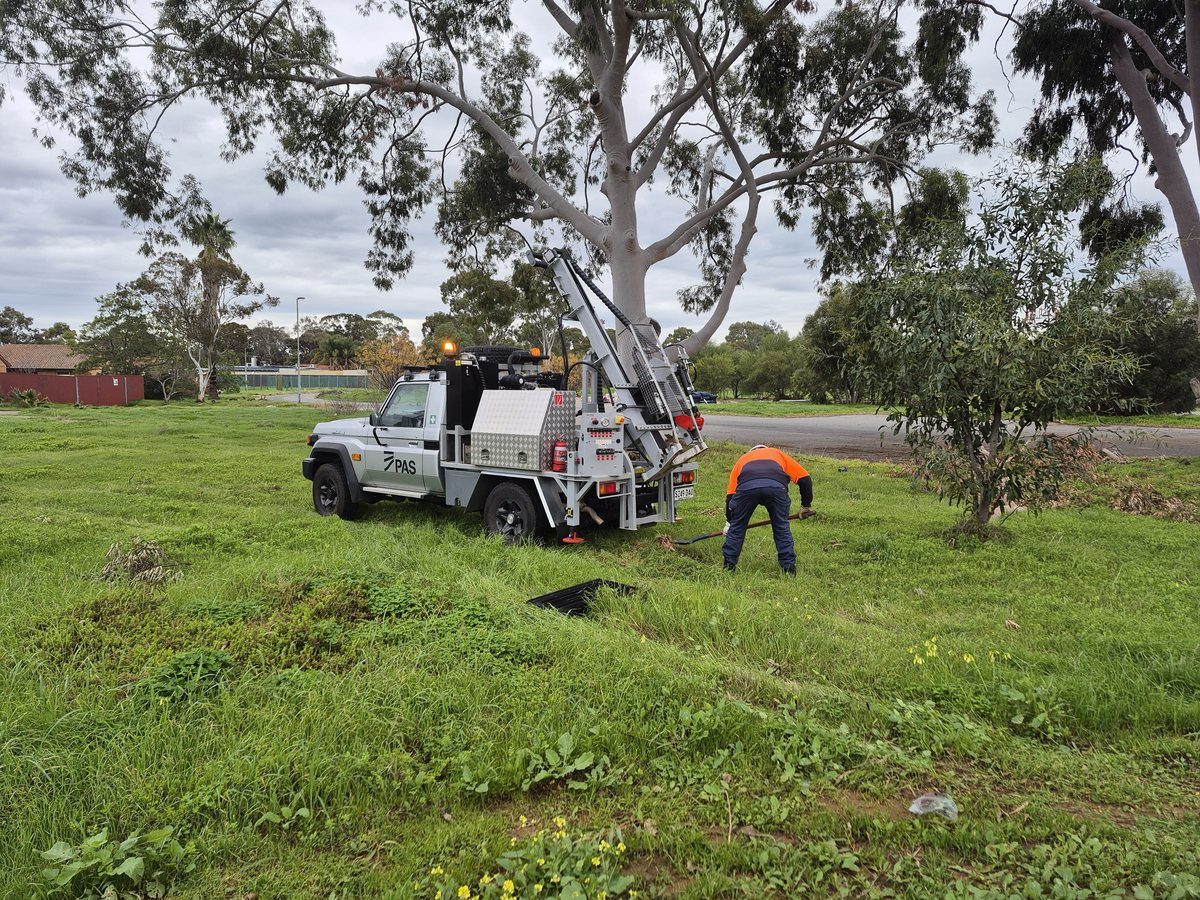
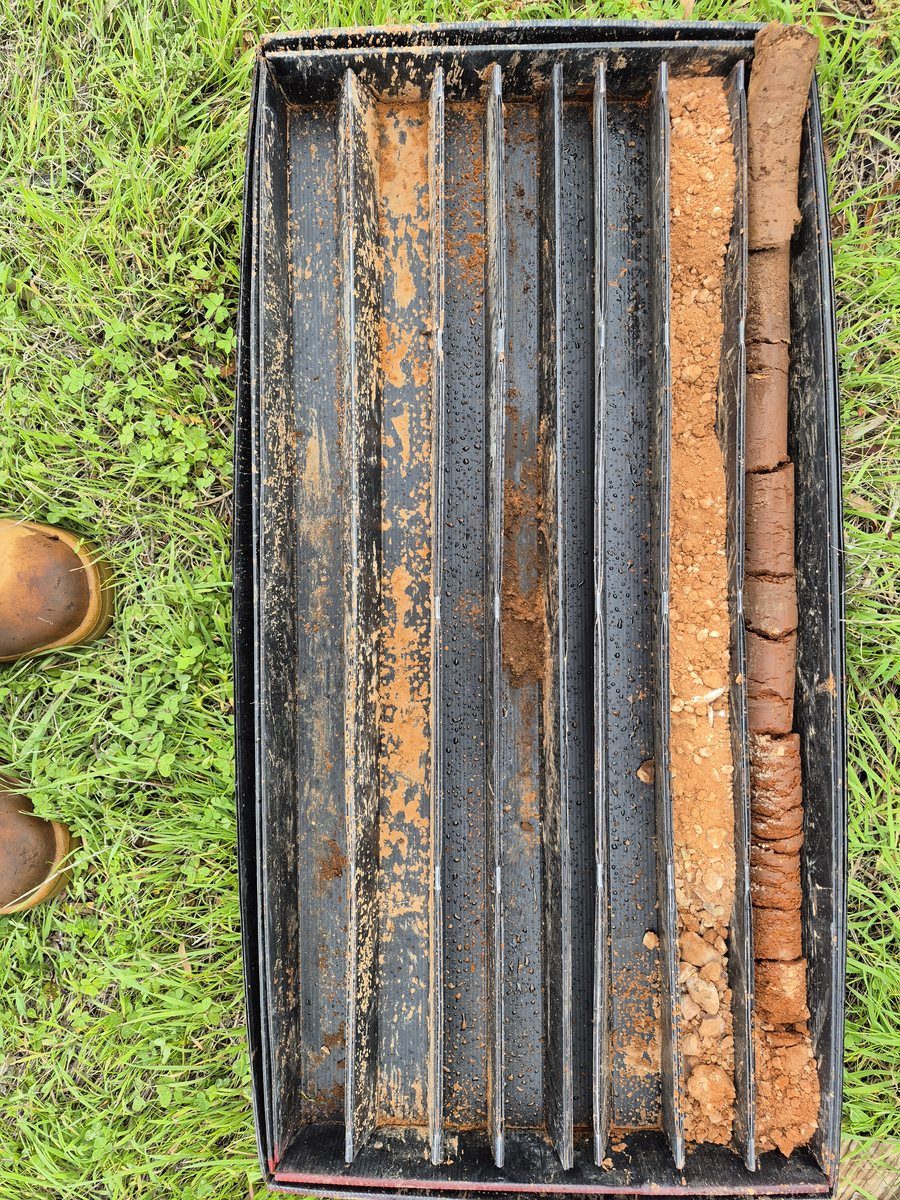
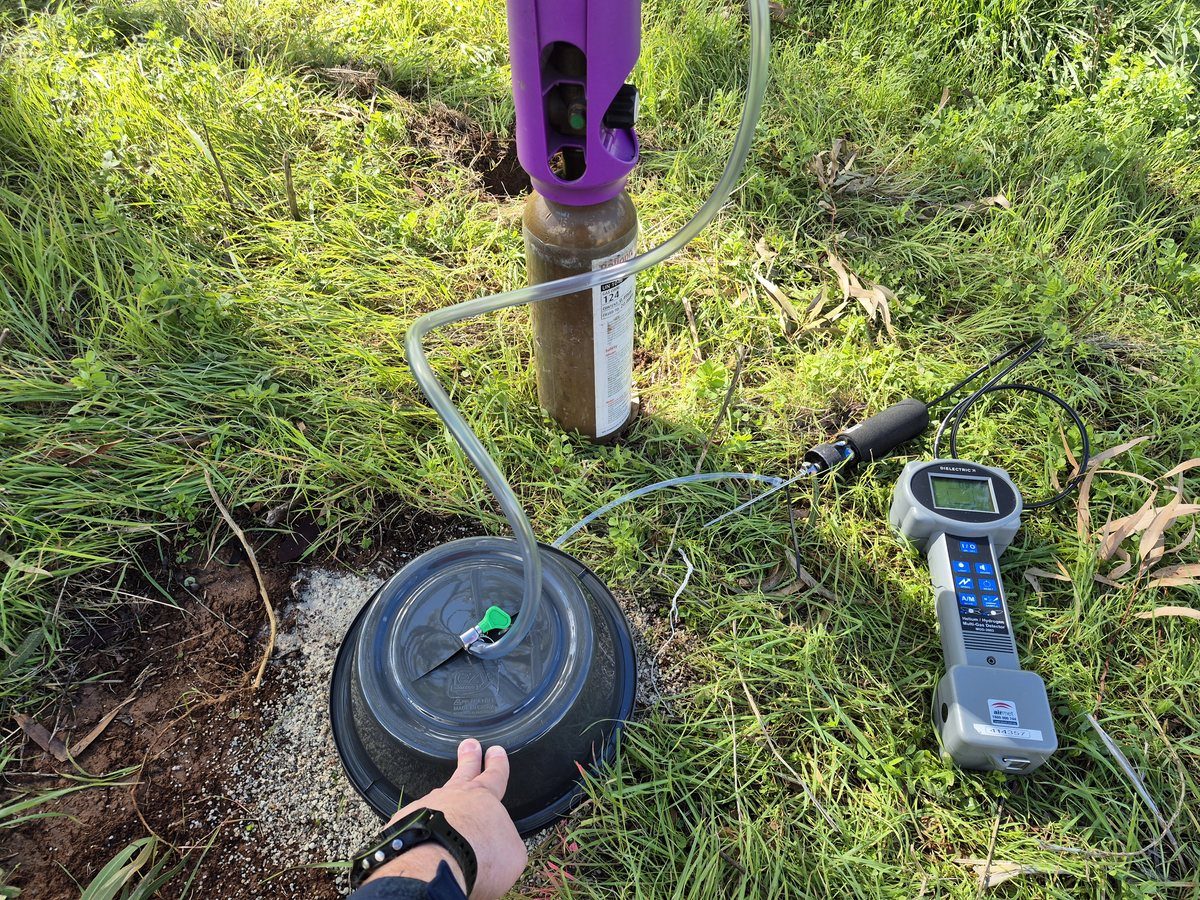
- Soil and soil vapour investigation across key risk areas
- Laboratory testing for the main contamination risks relevant to the proposed use
- Clear recommendations for any further management or remediation works
Findings
Soil and vapour. The targeted investigation did not identify significant soil or vapour impacts that would prevent the proposed redevelopment. Potential offsite vapour sources were assessed and did not present a material intrusion pathway to the site.
Asbestos. Bonded asbestos fragments were identified at the surface in several areas. This became the key residual management issue, with vegetation and hardstand limiting full delineation at the initial investigation stage.
The investigation narrowed the site risk profile from multiple possible contamination sources to a manageable asbestos clearance and validation pathway.
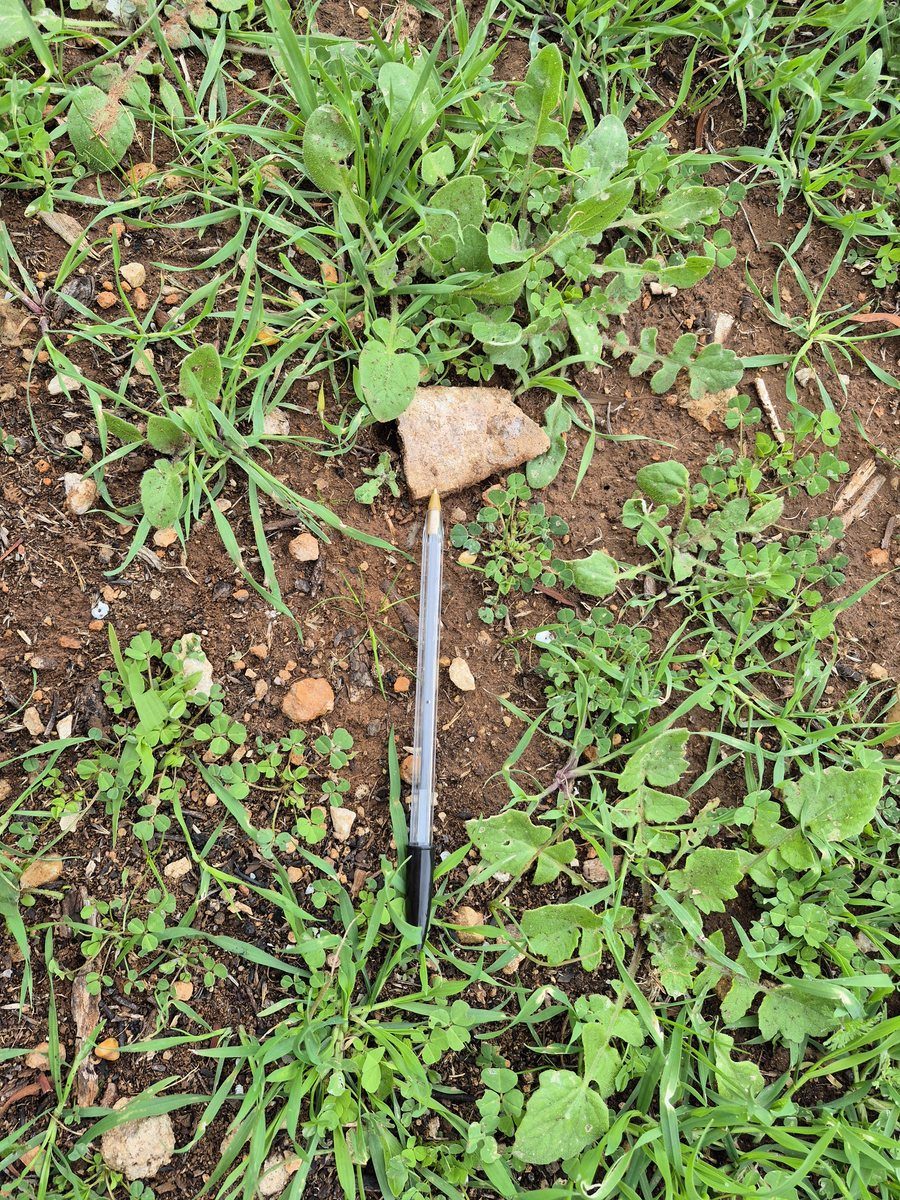
Bonded asbestos waste materials confirmed at the surface present a human health risk and development liability. A targeted asbestos remediation scope — including full site inspection following vegetation clearing — is required prior to development commencing.
Outcomes
The work gave the development team a clearer risk position before progressing design and approvals. Soil and vapour risks were materially reduced, while the remaining asbestos issue was translated into a practical scope for clearance, removal and validation.
- Key soil and vapour pathways assessed and not identified as major constraints
- Surface asbestos risk mapped and converted into a manageable remediation scope
- Development team provided with clear next steps for approvals and construction planning