The Project
Trilogy was commissioned to deliver a geotechnical interpretive investigation at a brownfield redevelopment site in inner-suburban Adelaide, to facilitate detailed design of a 7-storey concrete and masonry apartment building. The 5.8 ha former industrial parcel presented a combination of geotechnical challenges uncommon in a single project — complex fill, soft alluvial soils, extreme durability conditions, and the precision demands of a multi-storey structure.
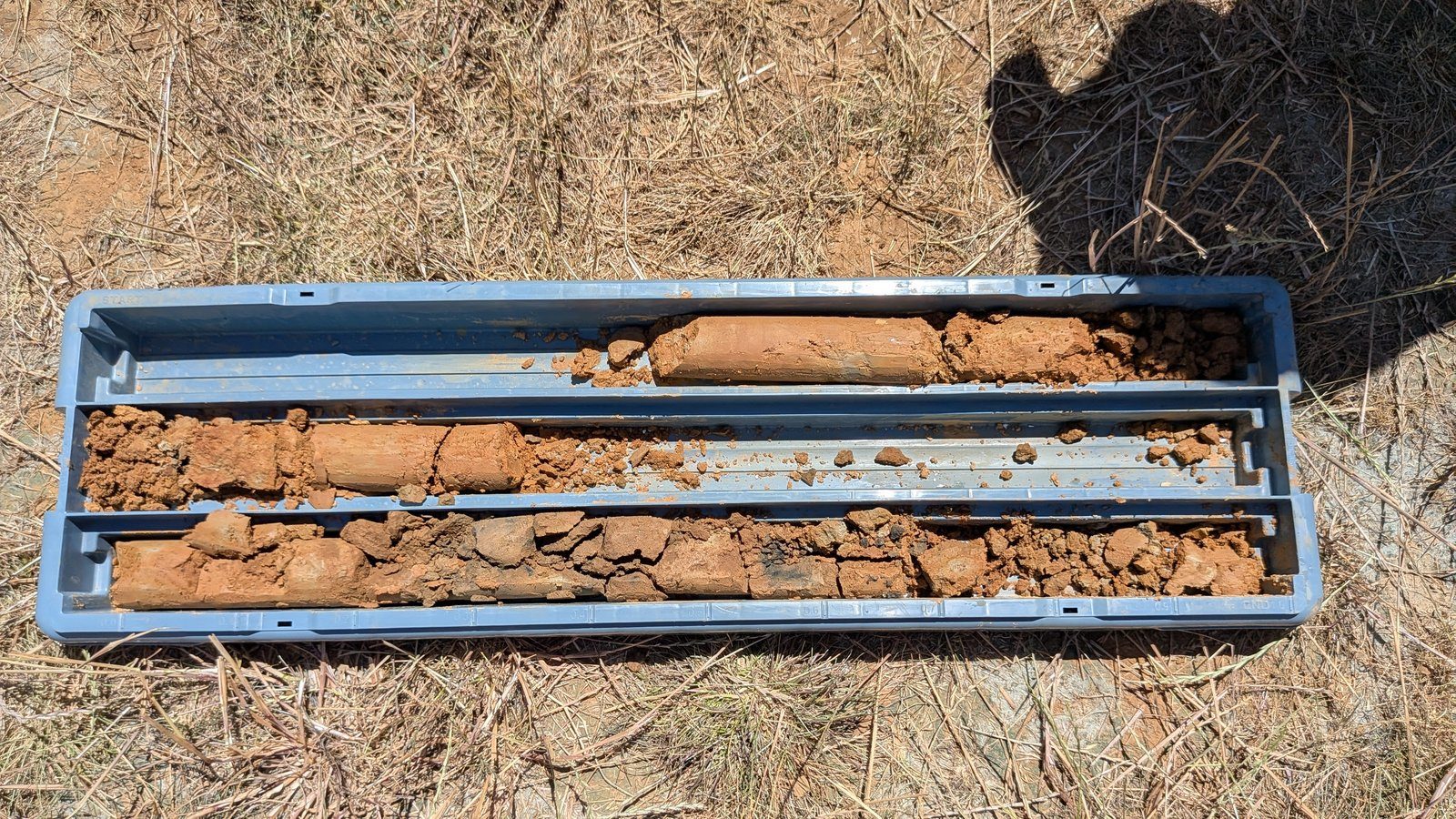
A 7-storey building on former industrial land with variable uncontrolled fill, soft layered alluvial soils, and a geological sequence not fully characterised until deep drilling reached 25 m — where standard SPT resolution was insufficient and the settlement question required a fundamentally different analytical approach.
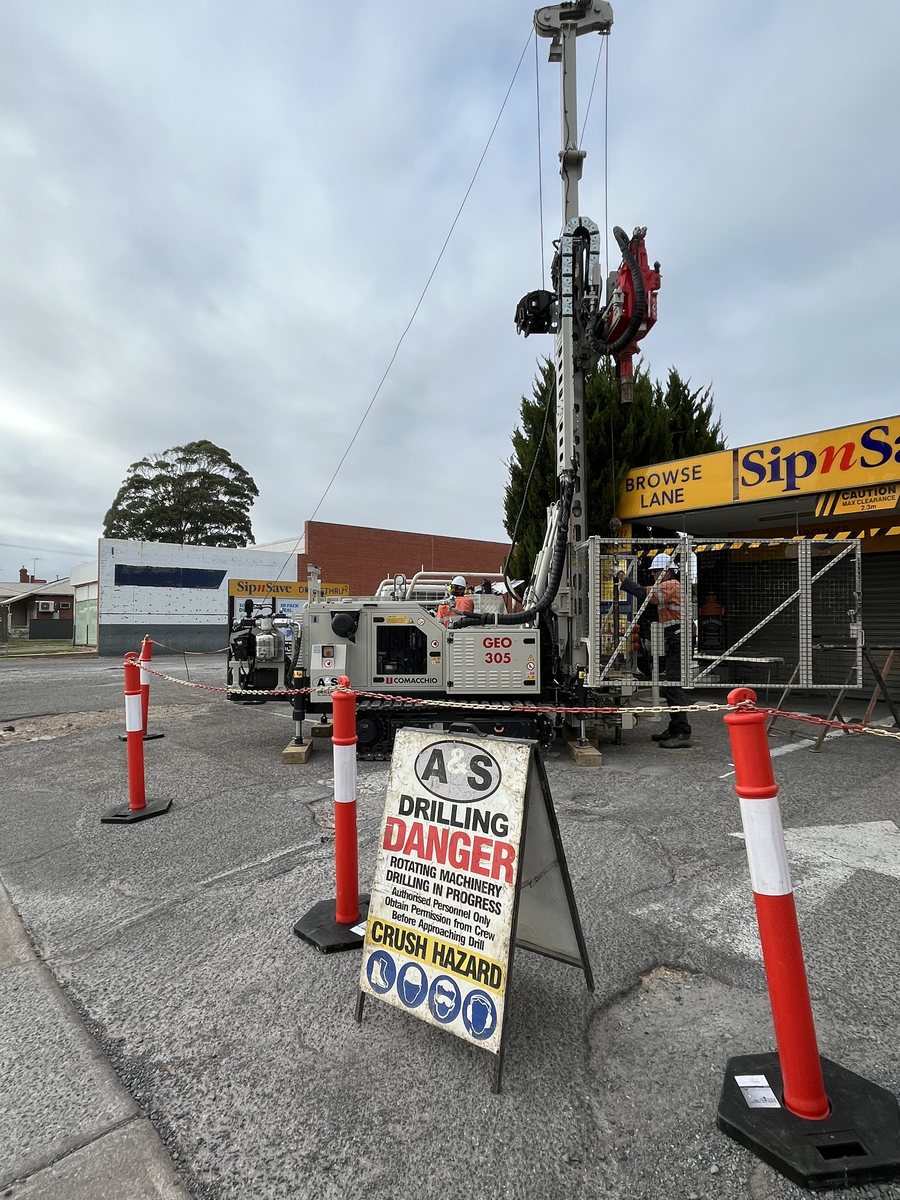
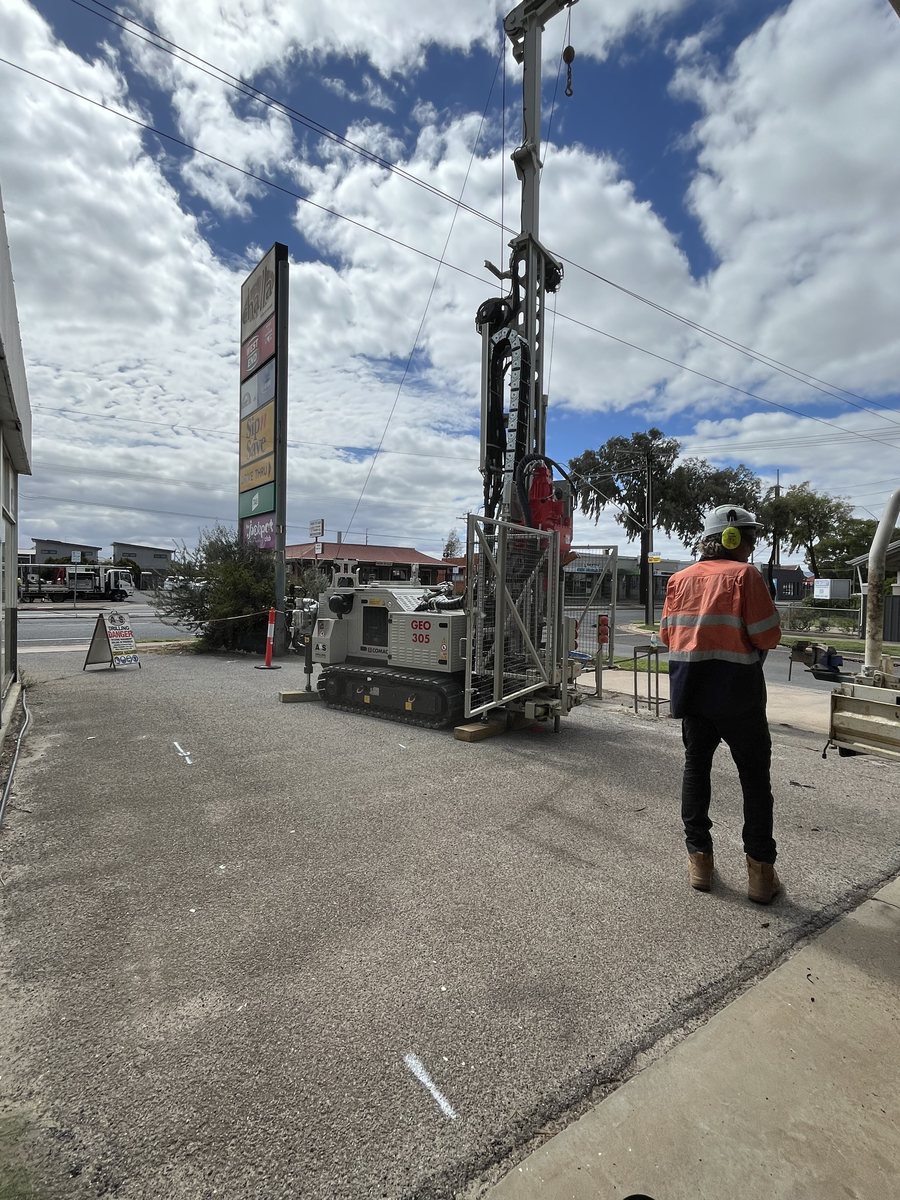
A Three-Phase Investigation
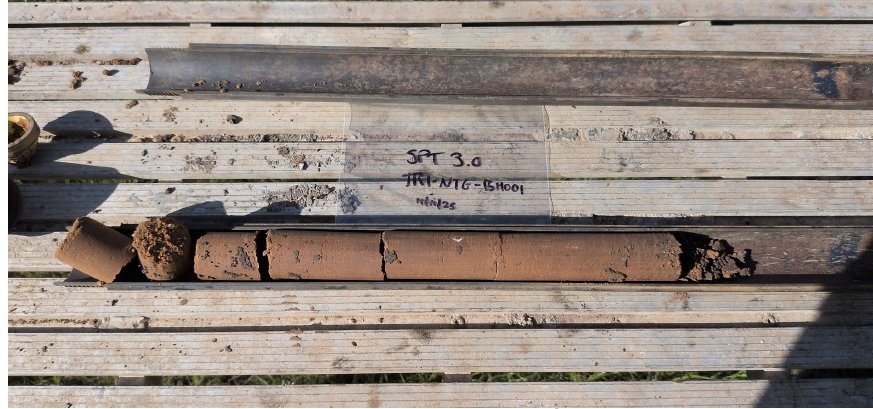
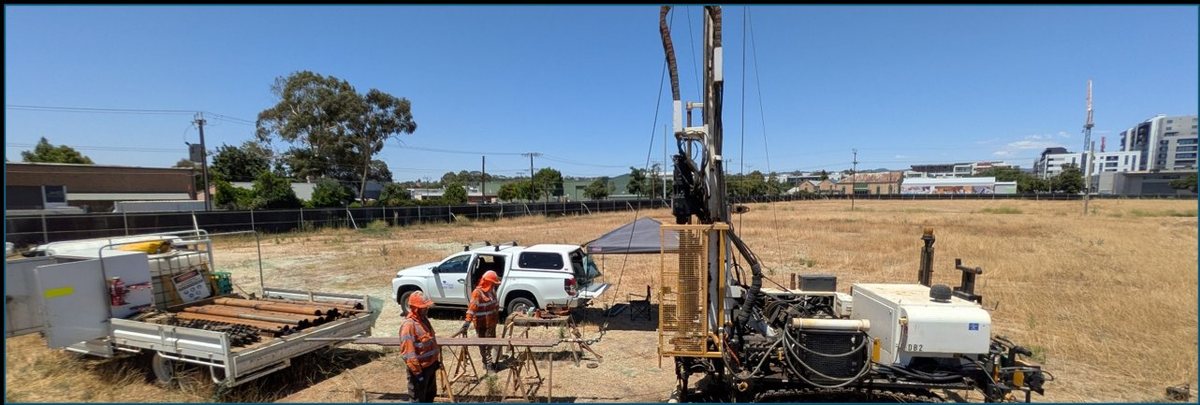
Phase 1 — Boreholes & SPT. Seven boreholes to 15 m BGL using a Geoprobe 7822DT, with SPT at 1.5 m intervals, plus comprehensive NATA laboratory testing including Atterberg limits, PSD, aggressivity, and UU triaxial testing.
Phase 2 — CPT. When SPT revealed a weak, laterally variable alluvial profile, Trilogy commissioned seven CPT soundings — providing the continuous, high-resolution strength and stiffness data that SPT alone could not deliver in soft layered soils. CPT identified a localised weaker zone that materially influenced both the ground model and the FEM analysis.
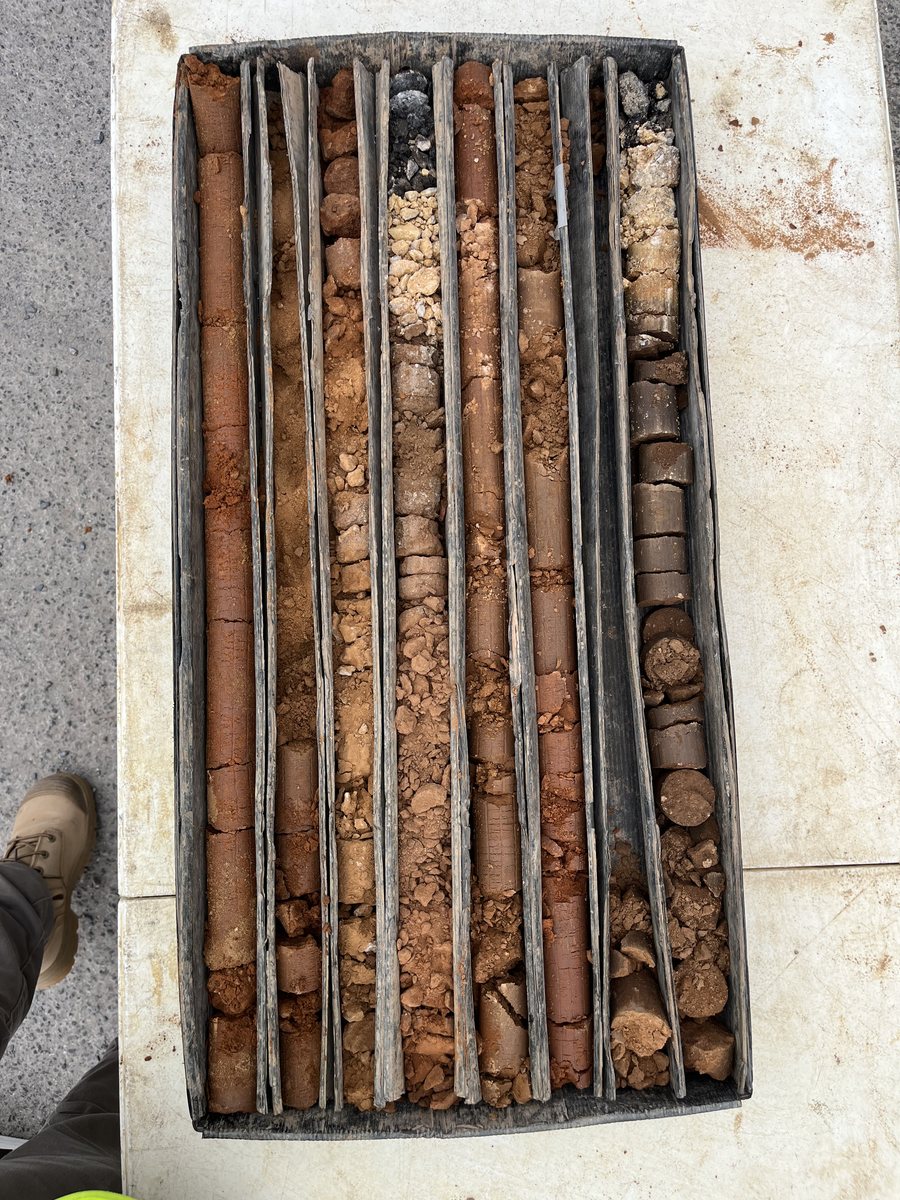
Phase 3 — Addendum Deep Drilling. Two additional boreholes using rotary and diamond coring to 24.95 m BGL, confirming basal gravel thickness and characterising the underlying Hindmarsh Clay sequence — findings that materially refined pile capacity parameters.
What We Found
- Variable uncontrolled fill (0.60–3.50 m), including a capping layer and geosynthetic separator above mixed granular/anthropogenic fill
- Natural alluvial silty sands dominant to 7–9 m BGL — loose to medium dense in the upper profile, stiffening at depth
- Dense to very dense basal gravel — generating CPT refusal and SPT practical refusal — the primary founding stratum
- Hindmarsh Clay from ~16–17 m BGL: stiff to very stiff (Cu 270–410 kPa from UU triaxial)
- Very Severe aggressivity in upper fill and silty sand — driving concrete and steel durability design requirements
- Class P (Problem Site) under AS 2870:2011 due to variable uncontrolled fill
Outcomes
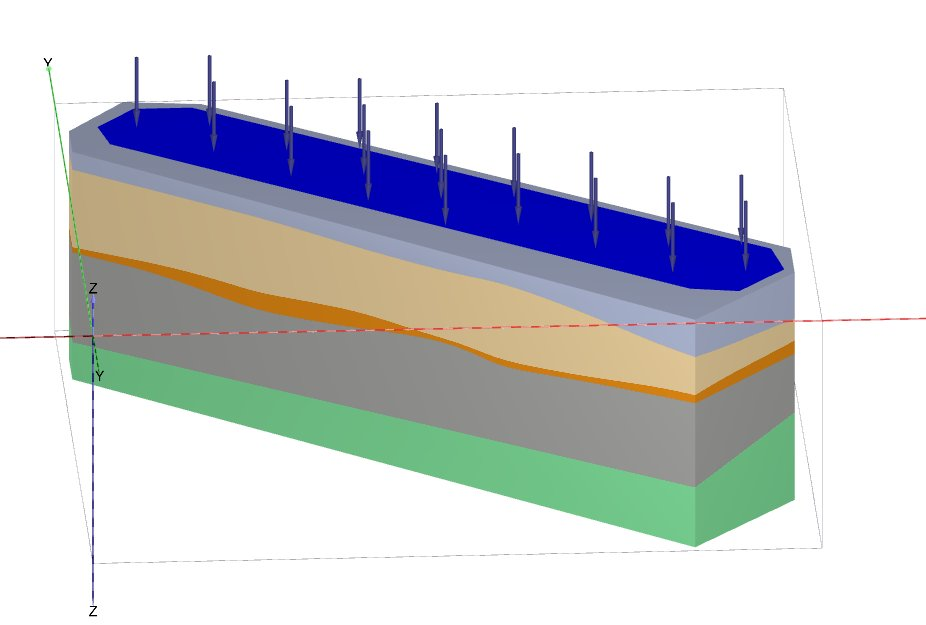
- Nine-unit subsurface model constructed from integrated borehole, CPT and laboratory data
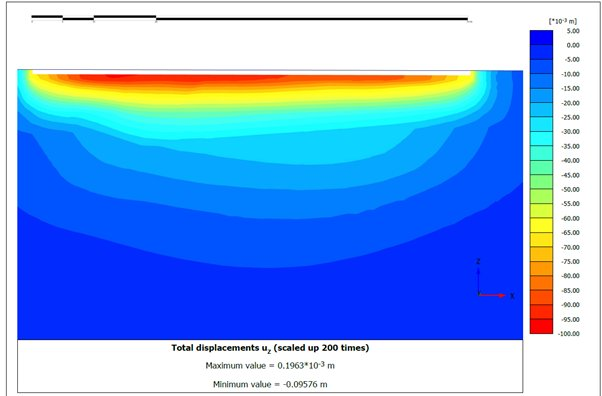
- CPT elevated as primary dataset — providing the continuous resolution needed for FEM settlement modelling in soft layered alluvium
- Preliminary pile parameters derived using CPT-inferred stress ratios for each granular unit — a project-specific approach rather than generic correlations
- Settlement screening using CPT-based methods identified differential settlement risk in the northern building area, informing FEM model geometry
- Addendum drilling confirmed basal gravel continuity and Hindmarsh Clay undrained shear strength — materially refining pile end bearing values
- Durability design requirements explicitly characterised by unit — Very Severe conditions in upper profile requiring specific concrete specification and steel protection